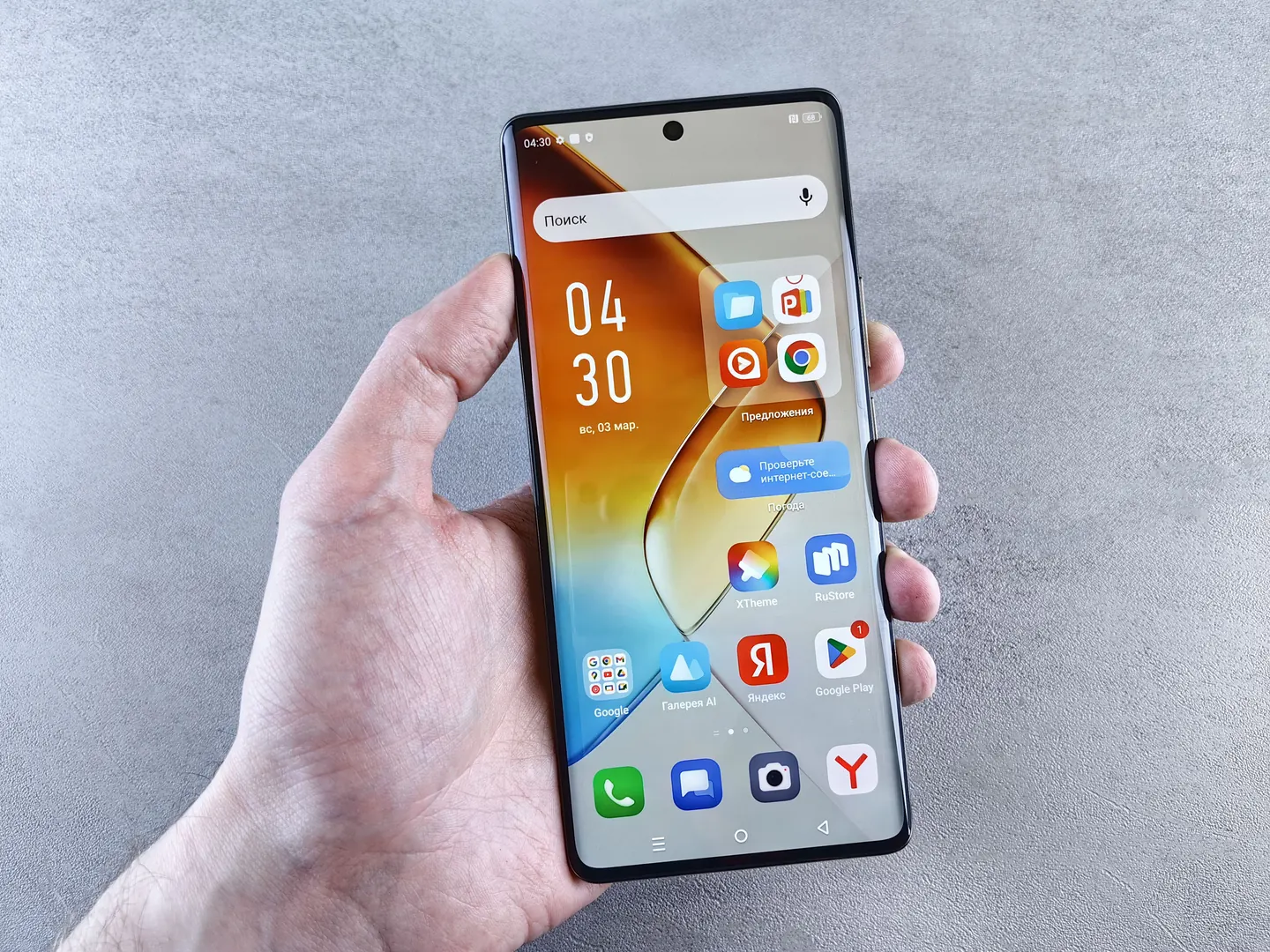
Mobile applications must perform reliably under real-world operational constraints—including intermittent connectivity, background interruptions, and variable user environments. We architect core digital workflows around these critical edge cases, selecting technical frameworks (native or cross-platform) that optimize performance, security, and long-term maintainability.
High-fidelity UI mockups often conceal foundational technical realities, such as permission boundaries, state management, and session timeouts. We define these parameters during early technical specification rather than discovery during QA—preventing costly architectural rework and ensuring predictable, enterprise-ready delivery.
WHAT WE WORK ON
Experience. Application. Integration.
1. Strategic Platform Architecture
Objective, data-backed platform recommendations (native vs. cross-platform) evaluated against hardware capabilities, existing enterprise systems, and internal maintenance capacity—supported by documented technical rationale.
2. Resilient UX & State Design
End-to-end journey modeling designed for every operating scenario—including network drops, error states, and background interruptions—paired with seamless, contextual permission and authentication flows.
3. Enterprise Systems Integration
Robust application development seamlessly integrated with core backend services, prioritizing secure session management, strict data boundary enforcement, and early third-party dependency auditing to avoid delivery bottlenecks.
4. Deployment Governance & Handover
Comprehensive device matrix testing, production build optimization, and end-to-end app store submission management—ensuring clear operational ownership, regulatory compliance, and a frictionless launch.
CAPABILITIES
Capabilities. Experience. Delivery.
Mobile App Discovery & Definition
Understand business objectives, target users, application requirements, scope, and technical considerations before development begins.
Mobile UX & UI Design
Translate requirements into structured user journeys, interfaces, prototypes, and mobile experiences.
Mobile Application Development
Develop functional applications around defined business requirements, user needs, application logic, and operational priorities.
API & System Integration
Connect mobile applications with existing systems, APIs, services, and business processes based on defined integration requirements.
Application Backend & Supporting Systems
Develop and connect the supporting software, services, data flows, and systems required for mobile application functionality.
Quality Assurance & Testing
Apply structured testing to assess functionality, usability, performance, and alignment with established application requirements.
DevOps & Technical Delivery
Support environments, deployment, release processes, and technical delivery throughout the mobile application lifecycle.
Application Modernization
Assess and improve existing mobile applications and supporting technology environments to address changing business and technical requirements.
LIFECYCLE
Strategy. Design. Delivery.
Agree on the key decisions, deliverables, and responsibilities before development begins.
Understand the Actual Use
Define the core tasks, usage context, device capabilities, and operating systems required for the initial release.
Validate Complex Requirements
Identify technical and operational uncertainties early and establish practical solutions before development progresses.
Build and Validate Across Devices
Develop against defined requirements and test across relevant devices, operating systems, and usage conditions.
Prepare for Release and Support
Complete release requirements and establish the documentation, ownership, and support needed for ongoing operation.
PROJECT CLARITY
Clarity. Scope. Value.
We structure engagements around technical and business requirements—never rigid, prepackaged assumptions. By uncovering architectural variables and operational dependencies up front, we deliver timelines, milestones, and budgets you can reliably plan around.
Documented scope & acceptance criteria: Clear, measurable milestones aligned with business objectives and technical benchmarks.
Defined IP ownership & handover frameworks: Full code ownership, operational documentation, and frictionless knowledge transfer.
Structured release & QA governance: A milestone-driven deployment roadmap with explicit testing and validation accountability.
Post-launch SLA & support parameters: Transparent ongoing maintenance agreements tailored to your operating model.
Dignisys supports organizations across different stages of the mobile application journey, from new app initiatives to existing application improvements and continued development.
New Mobile App Development
Support for organizations moving from a mobile app concept or business requirement to definition, design, engineering, and deployment.
Existing App Development
Additional engineering, quality assurance, integration, technical delivery, or specialized development support for existing applications.
Business & Customer Applications
Mobile applications designed to support customer experiences, employee requirements, business operations, or defined digital services.
Mobile App Modernization
Assessment and improvement of existing mobile applications and supporting technology environments based on business and technical requirements.
FAQ
Answers. Insights. Clarity.
1. What types of mobile applications can Dignisys develop?
Dignisys can support mobile applications developed around defined business objectives, user requirements, operational needs, and technical requirements.
2. Can Dignisys develop a mobile app from an existing business requirement?
Yes. Dignisys can translate defined business objectives, user needs, and application requirements into structured mobile product specifications and development solutions.
3. Can a mobile app integrate with our existing systems?
Yes. Mobile applications can be designed to connect with existing systems, APIs, services, and business processes based on defined integration requirements.
4. Can Dignisys work with an existing mobile application?
Yes. Dignisys can support existing applications through further development, modernization, integration, quality assurance, and technical improvements.
5. Does mobile app development include UX and UI design?
Mobile development can include user journeys, interfaces, prototypes, and user experience considerations based on the defined application requirements.
6. Does mobile app development include Quality Assurance and testing?
Yes. Quality assurance and testing can be incorporated throughout the development lifecycle to assess functionality, usability, performance, and alignment with requirements.
7. Can Dignisys support deployment and technical delivery?
Yes. DevOps and technical delivery are part of Dignisys Engineering's positioning and can support deployment, release processes, environments, and technical transition.
8. Can Dignisys support a mobile app after its initial launch?
Yes. Applications can continue to evolve through further development, technical improvements, modernization, quality assurance, and changes based on business and user requirements.
Whether you are launching a new mobile application, improving an existing app, or connecting mobile experiences with your business systems, Dignisys can support your mobile app development requirements.